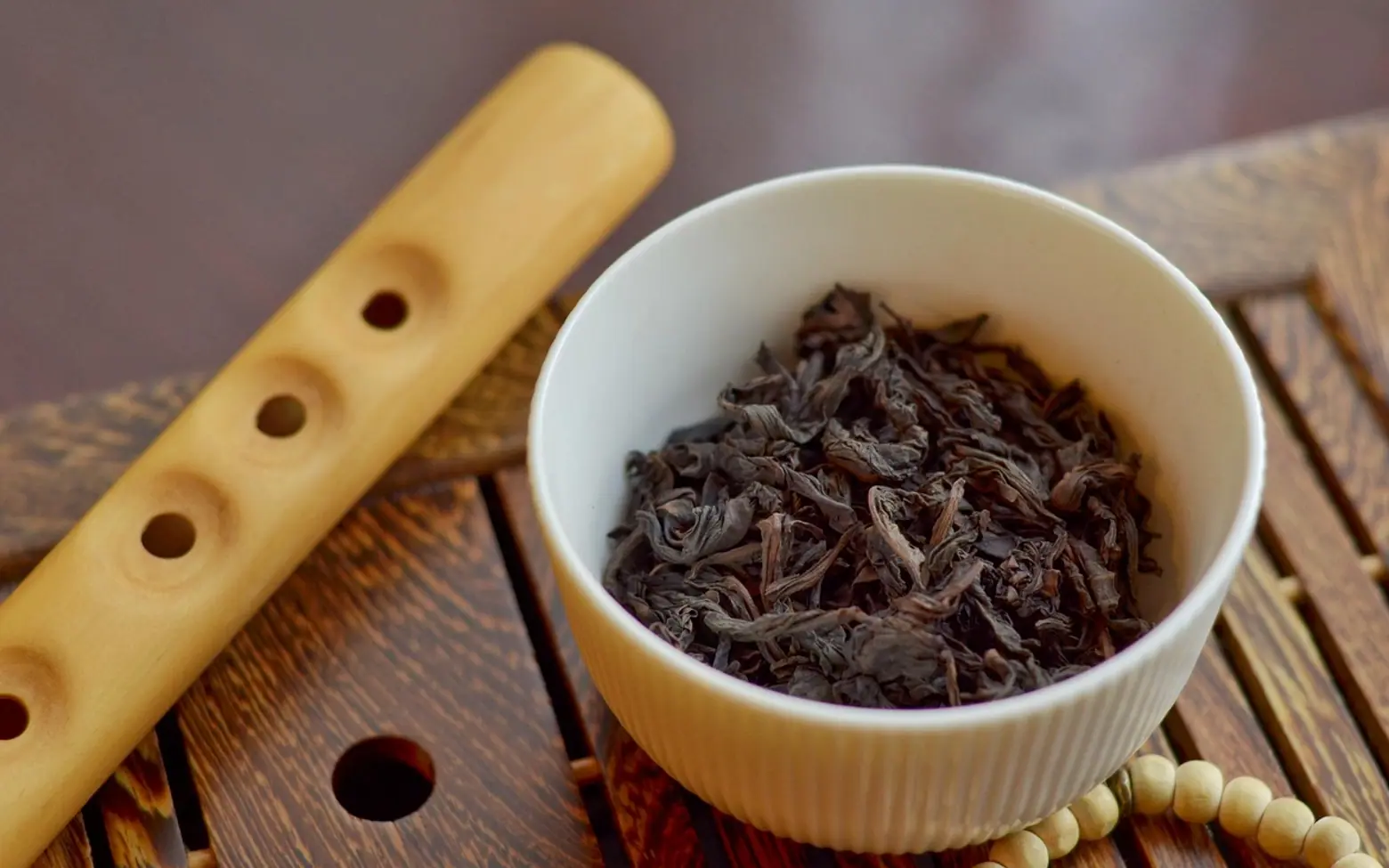
Some casino games need a wheel with thirty-odd pockets, a shoe of eight decks or a screen full of animated symbols. Fan-tan needs a handful of small objects, a bowl and a stick. It is one of the oldest gambling games still dealt anywhere, and it remains a quiet favourite in parts of Asia and in live-dealer studios that serve Asian audiences. If you have ever seen a croupier slowly pushing beads across a table in groups of four, you have seen fan-tan.
This guide explains how a round works, what the most common bets cover and why the game, for all its simplicity, still carries a built-in advantage for the house.
A game older than the casino floor
Fan-tan comes from southern China, where it was played for centuries with whatever small tokens were to hand: beans, buttons, coins or porcelain pieces. In the nineteenth century it travelled with Chinese communities to Southeast Asia, Australia and North America, and gaming houses in those cities often ran it as their main attraction. Later it found a home in Macau, and today it survives both on a few physical tables and in online studios streaming a dealer to a phone screen.
Part of its staying power is that anyone can follow it. There are no cards to rank and no paytable to memorise. You can understand a full round in under a minute of watching.
How a round of fan-tan runs
- The heap. The dealer scoops a random handful of beads or buttons from a larger pile and covers it at once with an upturned bowl, so nobody can count it.
- The bets. Players place their stakes on a square mat or board whose sides are numbered 1, 2, 3 and 4. Different spots on the mat stand for different bets.
- The reveal. When betting closes, the bowl is lifted and the dealer starts removing beads with a thin stick, four at a time, in full view of the table.
- The result. Counting continues until four or fewer beads remain. That final number, 1, 2, 3 or 4, is the winning number for the round.
Put another way, the result is the remainder you get when the size of the heap is divided by four, with a remainder of zero counting as 4. Because the heap is grabbed without counting, each of the four results comes up roughly as often as the others over time, and no single result is ever due.
The main bets on the mat
Bet names differ between venues and studios, and the rules shown at your table are the ones that count. The classic family of wagers looks like this:
| Bet | What you are backing | How it settles |
|---|---|---|
| Fan | One single number | Wins if that number is the remainder, loses otherwise |
| Nim | One number to win, a second to stand off | Wins on the first number, returns the stake on the second, loses on the other two |
| Kwok | Two neighbouring numbers on the mat | Wins if either of them comes up |
| Odd or even | 1 and 3, or 2 and 4 | Offered at many modern tables as a simple two-way choice |
The pattern is easy to see: the more numbers a bet covers, the more often it wins and the less it pays when it does. That trade-off is the same one you meet on a roulette layout or in a slot's volatility setting, just stripped down to four outcomes.
Where the house takes its share
If fan-tan paid every bet at exactly the price its chance deserved, the house would earn nothing. It earns its keep in one of two ways, depending on the venue: by taking a commission from winning bets, or by setting payouts slightly below the fair price for the chance involved. Either way, the result over a long run is the same. A small slice of all the money staked stays with the operator.
That slice is the house edge, the same idea that sits behind a slot's return-to-player figure. Our explainer on return to player in online slots covers the concept from the reel side, and it applies here too. Commissions and payouts vary from table to table, so read the rules panel before the first bet rather than after the fifth.
Reading the beads without myths
Fan-tan has gathered its share of folklore. Some players track which numbers have appeared and back whichever has been absent longest. Others watch the dealer's hands or the shape of the heap for clues. None of that changes the next count. Each heap is a fresh grab, and the remainder has no memory of the rounds before it, in exactly the way that a slot's next spin has no memory of the last one. Our piece on slot myths and the facts behind them takes the "due number" idea apart in more detail.
What players can control is pace and stake. Fan-tan rounds can be slow at a physical table and brisk in an online studio, and a fast stream of small rounds adds up faster than it feels.
Fan-tan in a sentence
A heap of beads, counted down in fours, leaves a number from one to four; you bet on which, and the house keeps a small cut for running the table. It is a lovely piece of gaming history and a calm game to watch. Fan-tan is for adults aged 18 and over: decide your spending limit before the bowl is lifted, and check whether casino games are legal where you live before you join any table, online or off.