Online Poker Cab 033
Pot-Limit vs No-Limit Poker: How Betting Structures Change the Game
- Reading minutes5 min
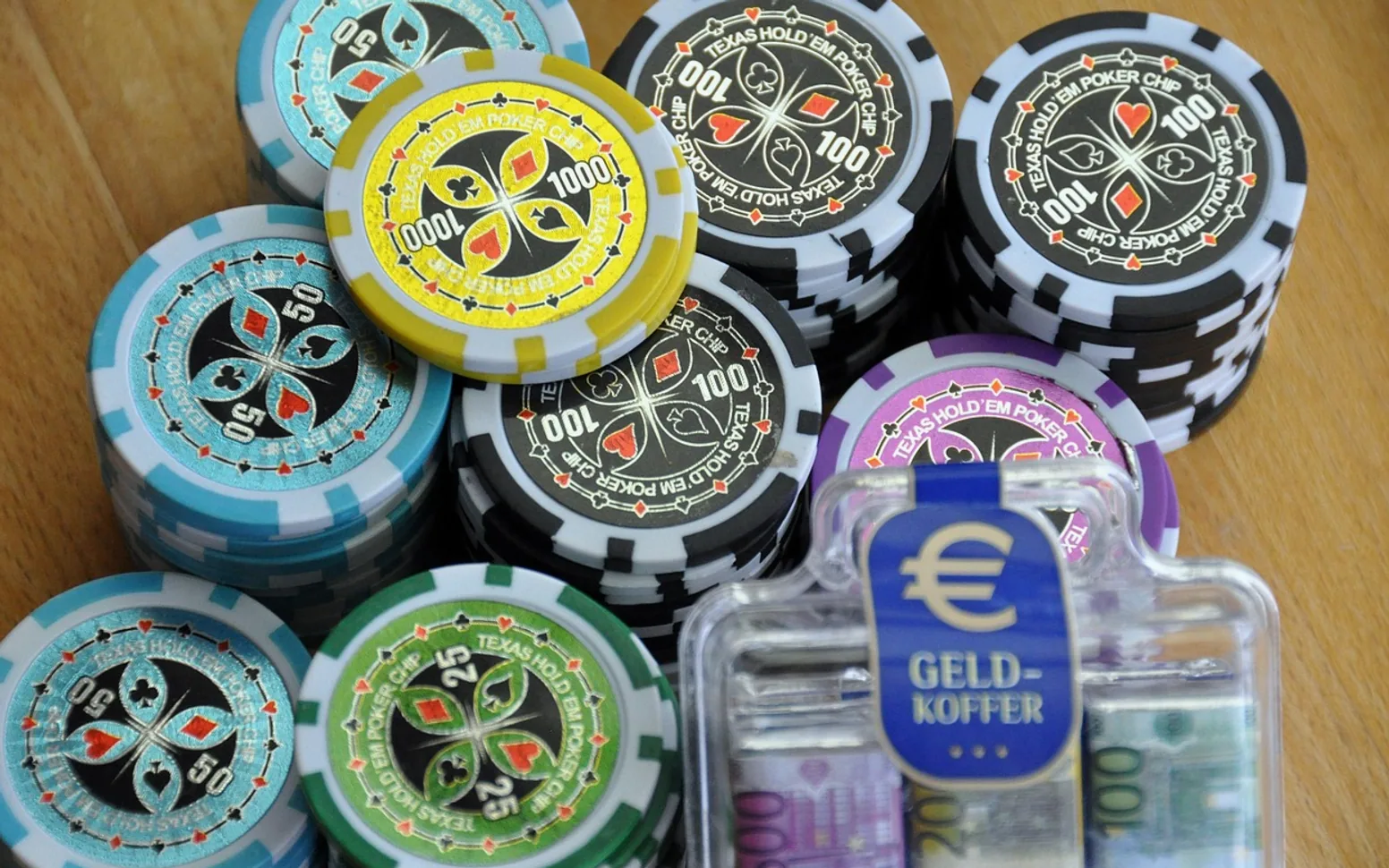
Two tables, same game, same blinds. At the first, a player shoves a hundred big blinds into a small pot on the flop. At the second, the most anyone can bet on that same flop is a few big blinds, and nobody looks surprised. Neither table has made a mistake. They are simply playing under different betting structures, the rule that sets how much a player may bet or raise at any moment.
Lobbies label games with short prefixes: NL for no-limit, PL for pot-limit, FL or simply "Limit" for fixed-limit. Hold'em is mostly dealt as no-limit, Omaha mostly as pot-limit, and fixed-limit survives in mixed games and a few dedicated tables. Knowing what the letters mean is the first step; knowing how they change decisions is the useful part.
The three structures at a glance
| Structure | Smallest bet | Largest bet | Typical games |
|---|---|---|---|
| No-limit (NL) | The big blind; a raise must be at least the size of the previous bet or raise | Every chip in front of you | Texas Hold'em, short deck |
| Pot-limit (PL) | Same minimums as no-limit | The size of the pot after you have called | Omaha and its hi-lo variant |
| Fixed-limit (FL) | A set amount for that betting round | The same set amount, with a cap on the number of raises | Stud games, mixed-game rotations, Limit Hold'em |
The minimums barely change from one structure to the next. What moves is the ceiling, and the ceiling decides how much pressure a single bet can apply.
No-limit: the whole stack is always available
In no-limit, any player may bet everything they have at the table whenever it is their turn to act. A raise has to be at least as large as the last bet or raise in that round, but there is no upper boundary beyond the stack itself.
That freedom is why no-limit Hold'em became the televised format of choice. One decision can be worth an entire buy-in, so bluffs carry real threat and a player holding a strong but vulnerable hand can charge opponents heavily for the chance to draw. The flip side is that a single misread hand can cost a full stack. Results swing widely, which is one reason no-limit games feel so different from session to session.
Stack depth matters a great deal here. With a short stack, the all-in arrives early and the game becomes simpler. With a deep stack, every street can grow the pot, and the later decisions are far larger than the first one.
Pot-limit: the pot sets the ceiling
Pot-limit caps every bet and raise at the size of the pot. The awkward part is the raise, because the call is counted first. The rule is: work out what you need to call, add it to the pot, and that new total is the most you may raise on top.
Working out a pot-sized raise
- The pot holds 100 and an opponent bets 50, so the middle now contains 150.
- Calling the 50 would bring the pot to 200.
- Your maximum raise is therefore 200 on top of the call, a total of 250 put in.
Before the flop the blinds count as bets. With blinds of 1 and 2, the first player to act may call 2, which makes the pot 5, and then raise 5 more, so the largest opening raise is to 7. Online tables do this arithmetic for you through a "pot" button, and live dealers will announce the figure when asked.
Because the ceiling grows with the pot, pot-limit hands start small and can still end with stacks all-in, usually after two or three streets of rising bets. Omaha is played this way almost everywhere because four hole cards produce many strong hands and many big draws, and a no-limit shove before the flop would remove much of the play. Our page on Omaha poker rules covers the four-card game itself.
Fixed-limit: every bet is a set size
In fixed-limit, bets come in pre-set units. A game listed as 2/4 uses bets of 2 in the first two rounds and 4 in the last two, the "small bet" and "big bet". Each round usually allows one bet and a limited number of raises, commonly three, after which the betting is capped.
The effect is that no single bet can threaten a whole stack. Pots grow through many small decisions rather than one large one. Folding a hand when the pot is large and the price of a call is one small bet is often a mistake in this structure, so draws are chased more often and showdowns are frequent. Players who like steady arithmetic tend to enjoy it; players who like pressure tend to find it slow.
How the same hand plays under each structure
Picture a flush draw on the flop, facing an opponent who holds top pair. The draw completes by the river a little over a third of the time; the reasoning behind numbers like that is in our chart of flop odds in Texas Hold'em.
- No-limit: the player with top pair can bet large enough that calling is a poor price for the draw, and the drawing player can respond with an all-in that forces a hard decision in return.
- Pot-limit: the largest available bet is one pot, which still prices out some draws but rarely ends the hand on the spot. Big draws often get the money in across two streets.
- Fixed-limit: the bet is small relative to the pot, so the draw is almost always worth calling, and the hand is usually settled at showdown.
The cards and the probabilities are identical in all three. What changes is how much each player can charge the other, and that alters which hands are worth playing in the first place.
Which structure suits a newcomer?
There is no single answer, but a few points help when choosing a table:
- Fixed-limit keeps losses per hand small and gives more practice at reading showdowns, at the cost of a slower feel.
- Pot-limit lets a newer player learn Omaha without facing an all-in on the first decision of every hand.
- No-limit has the most players and the most learning material, but mistakes are priced at the size of the stack.
- Whatever the structure, a buy-in should be an amount you are content to lose. Results in every format swing far more than most newcomers expect, as the piece on standard deviation in gambling shows with real numbers.
Real-money poker is open only to adults. Whether online tables are permitted depends on where you live, so check the local position before registering, and treat any buy-in as the price of an evening's entertainment rather than an investment.