Game Tech Cab 030
PAR Sheets Explained: The Maths Blueprint Behind a Slot Machine
- Reading minutes4 min
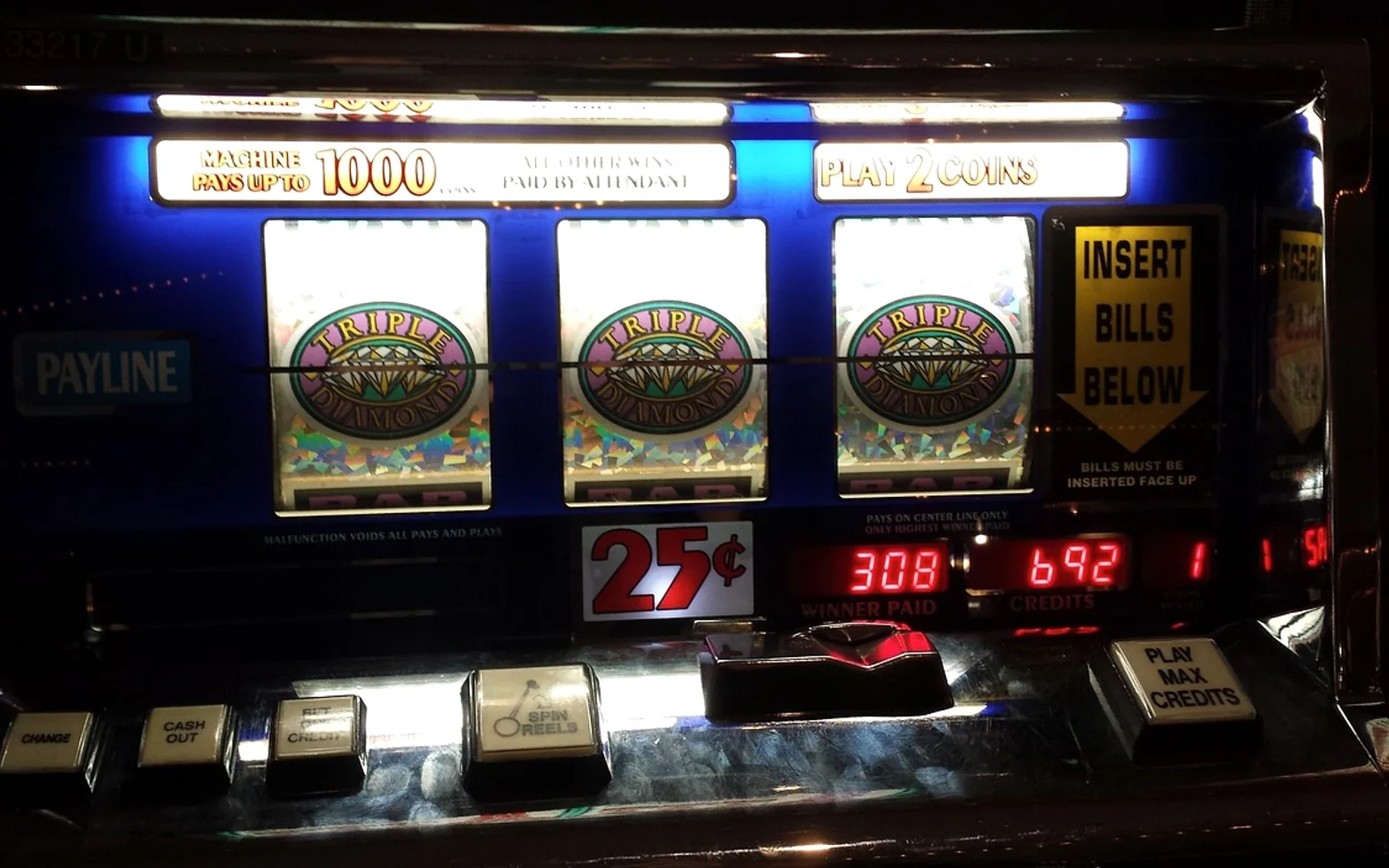
A PAR sheet is the confidential maths summary a manufacturer prepares for a slot machine. PAR stands for probability accounting report, and the document lists the symbols on every reel, the paytable, how many reel combinations produce each win, the share of the game's return that each win supplies, the hit frequency and measures of how much results swing. Regulators and operators see these sheets; players almost never do. The thinking behind them, though, can be shown with a small invented machine and some patient counting.
What a PAR sheet usually contains
- Reel strips: the symbol at every stop on every reel, physical or virtual.
- Paytable: what each winning combination pays per credit staked.
- Combination counts: how many of all possible reel outcomes produce each win.
- Return contributions: how much of the total return to player each win provides.
- Hit frequency: the share of spins that pay anything at all.
- Volatility measures: usually a standard deviation or volatility index per spin, sometimes with expected ranges after a set number of spins.
Machines are often built in several versions with different returns, and each version has its own sheet. That is how a single title can appear at more than one return setting, a point covered in our guide to RTP in online slots.
A worked example with three small reels
Imagine a made-up machine with three identical reels, each holding 20 stops: one seven, three bars, five cherries and eleven blanks. Every spin picks one stop per reel, so there are 20 × 20 × 20 = 8,000 equally likely outcomes. Its paytable, per one-credit stake, gives this sheet:
| Win | Ways to land it | Pays | Credits returned over all 8,000 outcomes | Share of total staked |
|---|---|---|---|---|
| Seven, seven, seven | 1 × 1 × 1 = 1 | 300 | 300 | 3.75% |
| Bar, bar, bar | 3 × 3 × 3 = 27 | 40 | 1,080 | 13.50% |
| Cherry, cherry, cherry | 5 × 5 × 5 = 125 | 20 | 2,500 | 31.25% |
| Cherry on reel one, anything else after it | 5 × 20 × 20 − 125 = 1,875 | 2 | 3,750 | 46.88% |
| Total | 2,028 | 7,630 | 95.38% |
Reading the numbers
- Return to player: 7,630 credits paid back for 8,000 staked is about 95.4%, so over the full cycle the machine keeps about 4.6%.
- Hit frequency: 2,028 winning outcomes out of 8,000 is about 25%, so roughly one spin in four pays something.
- Where the return comes from: almost half of it is the humble two-credit cherry. The top prize supplies less than 4%.
- Volatility: squaring each payout, weighting by its ways and comparing with the average gives a standard deviation of about 4.8 credits per spin, small by modern standards because the top prize is only 300.
That third point surprises people. A game can pay often while most of those payments are tiny, so hit frequency and return to player describe completely different things.
Virtual reels and weighting
Physical reels limit how many stops a machine can have. Electronic machines get round this by mapping a longer "virtual reel" onto the physical stops: the random number picks a virtual stop, several virtual stops may show the same blank or low symbol, and the top symbol may get only one. The PAR sheet records both layers. It is how a machine with a modest number of painted stops can offer a top prize far rarer than its visible reels suggest.
Video slots and today's maths reports
Online and video slots have no physical reels at all. Their reel strips live in software and may carry dozens of symbols each, with free spins, multipliers and cascades layered on top. Counting every path by hand is no longer practical, so the figures in a modern maths report are typically calculated by full enumeration where possible and by large-scale simulation elsewhere, as explained in our article on Monte Carlo simulation. The underlying questions stay the same as on the three-reel machine: how often, how much, and how much of the return each feature carries. The design stage where these numbers are set is part of slot game development.
Common misreadings
- "High hit frequency means a generous game." Not on its own; the size of the wins matters as much as how often they come.
- "The machine works through its cycle in order." The 8,000-outcome cycle is a counting device. Each spin is an independent draw, and a machine can repeat or skip any combination.
- "The listed return applies to my session." It describes the full cycle or a vast number of spins. One evening can land far from it in either direction, and our page on standard deviation in gambling shows how far.
Slots are entertainment for adults aged 18 and over. Budget for them as you would for a concert ticket, expect the machine's margin to win out over time, and check whether online slots are allowed where you live.