
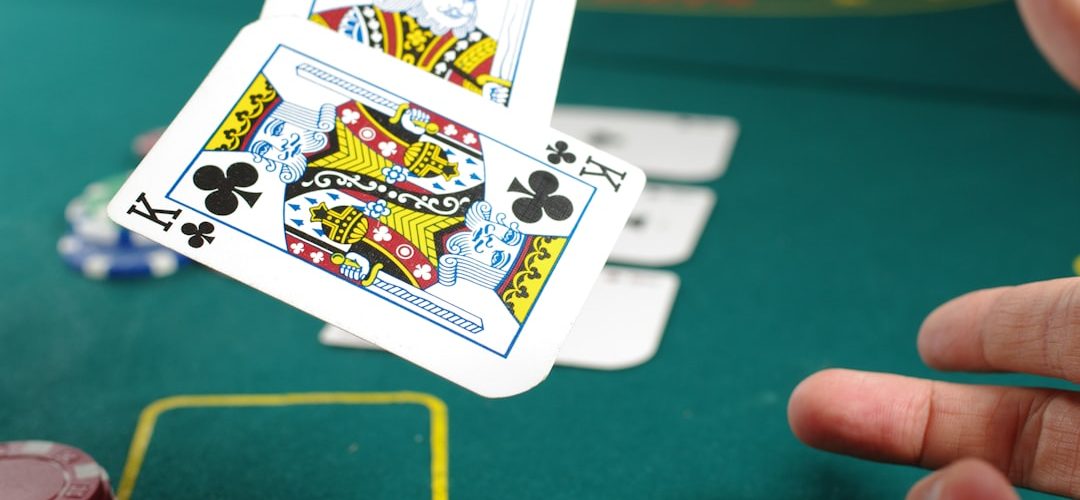
Responsible play in Satta King starts with one simple idea: treat the activity as entertainment, not as income, and never let excitement control your decisions. When we approach it with clear limits, realistic expectations, and a willingness to walk away, the experience stays safer, calmer, and far less stressful. A practical mindset also helps us avoid impulsive choices that can lead to regret later.
Why Responsible Play Matters
Every form of chance-based play can trigger emotions quickly, especially when a result feels close or a win looks possible. That is why responsible play in Satta King is not just a cautionary phrase; it is the foundation of making informed choices. The goal is to reduce financial pressure, protect our time, and keep a healthy boundary between entertainment and daily life.
When boundaries are ignored, small wagers can become repeated attempts to recover losses. That pattern often creates more stress than enjoyment. By setting rules in advance, we give ourselves a stronger chance of staying in control, even when the outcome is uncertain.
Set Clear Limits Before You Begin
Before anyone participates, it helps to decide three things: how much time to spend, how much money can be safely used, and what result will signal a stop. These limits should be based on disposable funds only, never on rent, savings, borrowed money, or essentials.
- Set a fixed budget and do not increase it after a loss.
- Choose a time limit so the activity does not interfere with work, family, or rest.
- Accept the outcome in advance, whether it is a win or a loss.
- Avoid chasing losses because emotional decisions usually make things worse.
It also helps to review patterns honestly. If the activity is starting to feel like pressure instead of choice, that is a sign the limit needs to be lower or the pause needs to be longer.
Use a Simple Risk-Management Checklist
A practical checklist can make responsible play in Satta King easier to follow. We do not need a complicated system; we need a repeatable one. The table below shows a simple way to stay grounded before making any decision.
| Check | Why it matters | Action |
|---|---|---|
| Budget | Protects essential expenses | Use only spare money |
| Mood | Reduces impulsive choices | Pause if stressed or frustrated |
| Time | Keeps the activity from taking over the day | Set an end time before starting |
| Loss limit | Prevents chasing and doubling down | Stop when the limit is reached |
If we want to stay informed, we should also be selective about sources. Search results, forums, and social posts can be full of exaggerated claims. Reliable information is more useful than hype, and a measured source such as satta king 786 may be used for reference only when we are checking details rather than following impulse.
Recognize Warning Signs and Step Back
Responsible play means knowing when to stop. Warning signs are often subtle at first: spending more than planned, thinking about the next result constantly, hiding activity from others, or feeling irritated when we take a break. If any of these sound familiar, it is better to step back early than wait for the situation to get worse.
Simple ways to reset
- Take a break for a full day or longer.
- Review past spending without judgment.
- Talk to someone you trust if the habit feels difficult to control.
- Replace the activity with something that lowers stress, such as walking, reading, or exercise.
A healthy reset is not a failure. It is a smart decision that protects confidence and financial stability.
Build Habits That Keep Entertainment in Balance
The best long-term approach is to build habits that make moderation automatic. Responsible play in Satta King becomes easier when we plan ahead, remain honest with ourselves, and avoid treating chance as a strategy for money-making. The more disciplined our routine, the less likely we are to act on emotion.
We can also improve balance by separating entertainment from personal goals. If a hobby starts competing with bills, relationships, or peace of mind, the priorities are out of order. In that case, the right move is to pause, reassess, and choose stability over temptation.
Ultimately, responsible play is about self-control, clarity, and respect for our own limits. When we keep the experience small, optional, and transparent, we protect both our finances and our peace of mind. That is what makes the difference between a passing pastime and a problem we can avoid.

